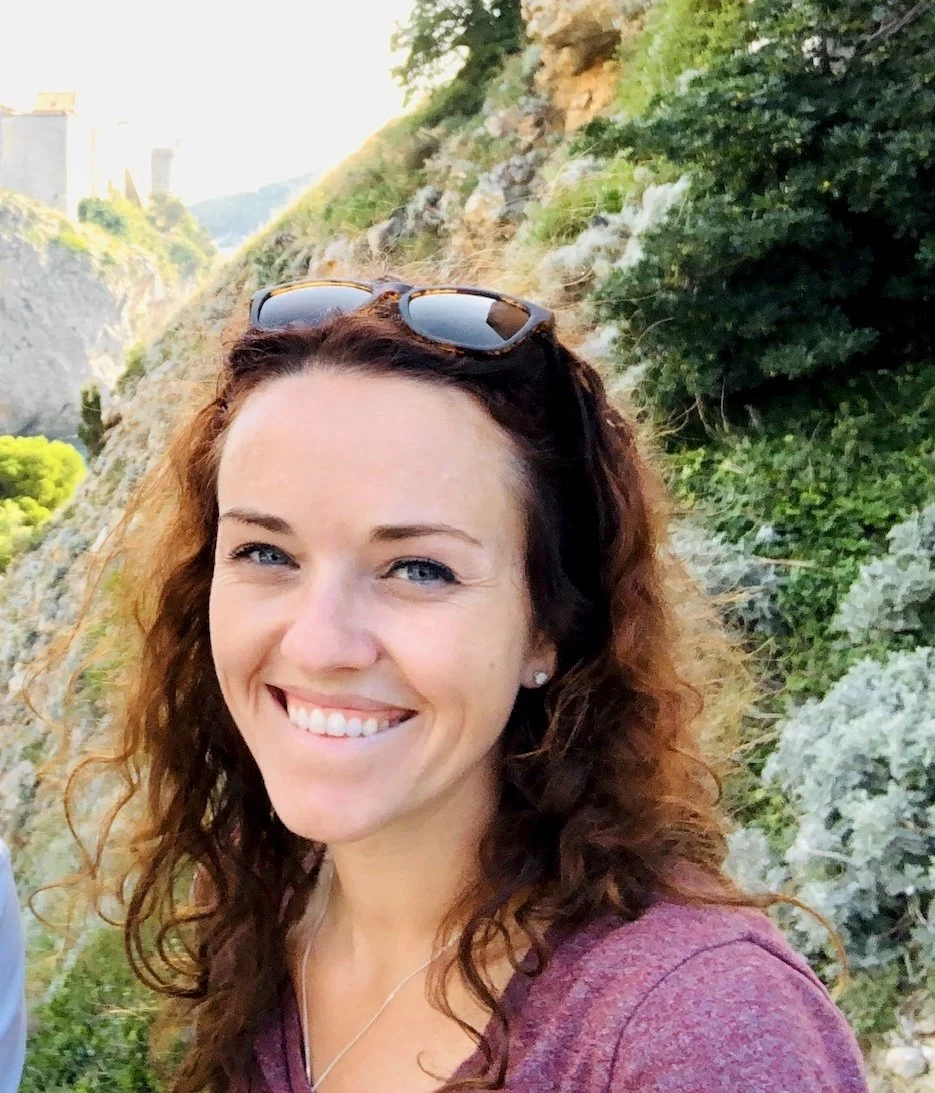
Katie Sauter
-Administrative Project Coordinator-
Katie has followed a winding road of faith and church - starting with Catholic School, diverting from anything religious, and slowly settling back toward the Lutheran Church (while still taking bits and pieces from various world religions).
With a background in marketing and customer service, and a passion for lists and organizing, the role as administrator/project coordinator at Church Anew combines her skills and provides the flexibility that she desires in life. While most of her prior work is in healthcare, she feels that making the jump to church work is easy - it’s all about caring for people.
Outside of work, good luck finding Katie! She keeps busy, traveling as much as possible (30 countries and counting!), loves live music, and has recently taken up pickleball and is working on her drop shot.
Blog Posts
A man disconnected from others is more vulnerable than strong—and more dangerous than heroic. His high walls may look like strength but in truth they are purpose-built for hiding, not protection. In his isolation, he becomes a threat to himself.
Masculinity is a mirage, not a destination. This pernicious illusion doesn't merely deceive our eyes; it torments our souls with the promise of an unattainable ideal.
By denying ourselves access to the halls of grief we also deny ourselves access to what is sacred, healing, and vital.
Drs. Michael Chan and Lisa Sethre-Hofstad help us understand how we can preach the Bible’s more problematic passages in the face of trauma and healing.
Michael Chan revisits books from the Bible to remind us that those who forget history can be doomed to repeat it.
AI may be shaping the cultural and technological environment, but we also have an opportunity to shape norms around its usage and in the process to raise important ethical and theological questions about how one can and should use these powerful tools. AI represents a seismic change in both technology and culture.
Instead of asking us to descend into the caverns of our innermost selves and excavate our authentic identities, [Ecclesiates] offers alternative questions that point us back to the perceptible world: “What is my responsibility to the world around me?” “What does my hand find to do?”
Resources