A Nation Without Borders
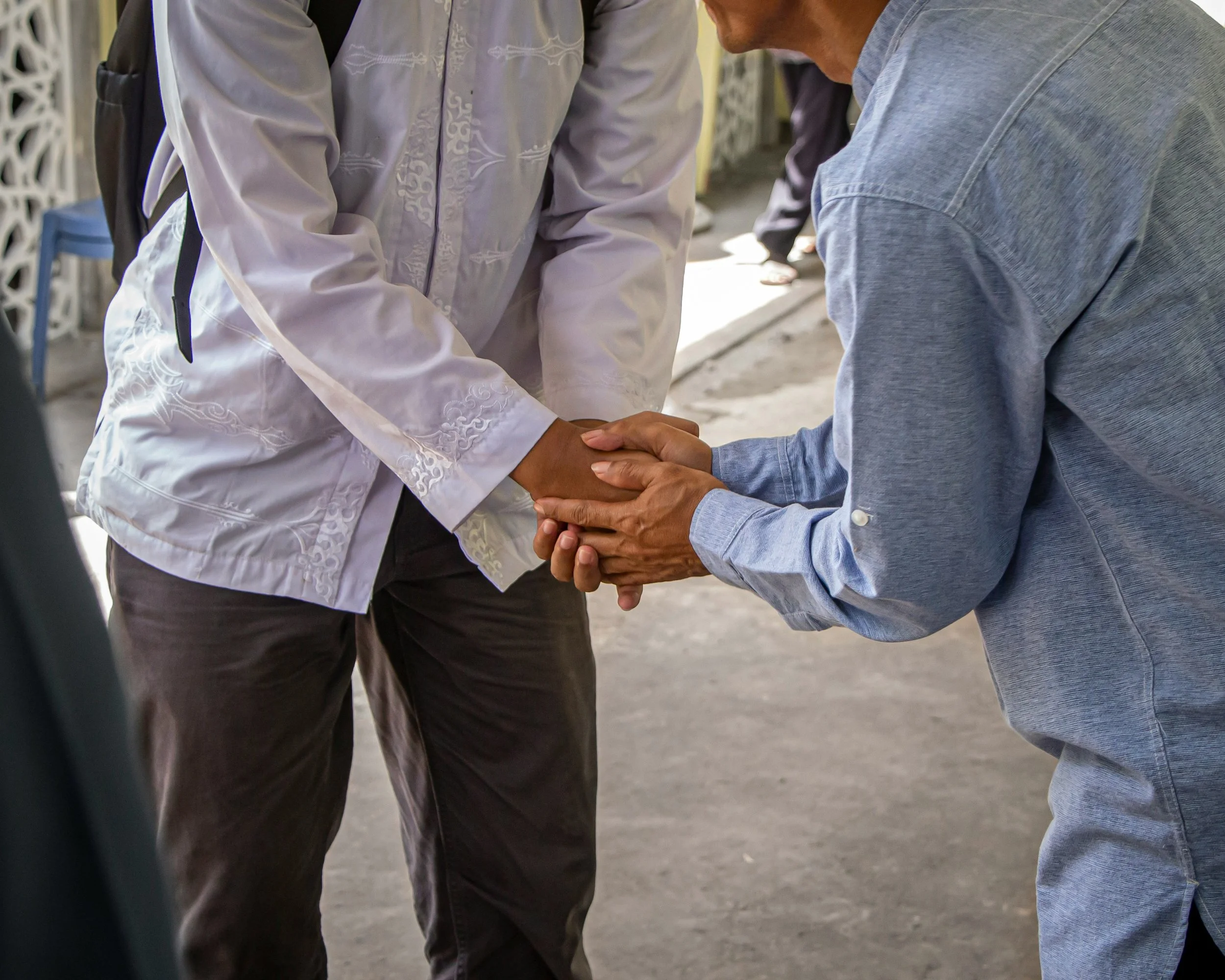
Photo by Masjid Pogung Dalangan on Unsplash
The church is a nation without borders. For those who bear the name of Jesus, our allegiance is to God and to seek to be a people that works to become good neighbors with friends across the world. It is our duty to be a nation who follows God by seeking peace between cultures and countries.
In the politics of being a church, we have a responsibility to improve worldwide connections when our country seeks enmity and division. Improving worldwide connections is something I have been focusing on in my medium-sized congregation, which is in the middle of my purple state of Pennsylvania. Even here, we have a responsibility to know, pray, and improve our worldwide connections.
This nation is God’s special possession and is a royal priesthood (1 Peter 2:9). The Scripture says we are a holy nation. Remember, holy means set apart. As a people who are set part who follow Jesus, our allegiance is to not to a flag of our own geographical country first. Our allegiance is to look for the ways that the light of God shines through, and in, and among the world, and to sing of God’s goodness that unites us across the globe. We have a responsibility as the church to show proper respect to everyone, which means the church is in a unique position to seek neighborliness in our worldwide connections.
Our work together is to be the light of Christ, a nation without borders, seeking peace and justice and mercy between neighbors.
When a state’s policies become intolerant of the neighbors of our other countries and they seek division, it is the church’s job to proclaim the unity of the nation of believers that is without border. It is the church’s duty to remind both the church and the world that the love of neighbor is the foundation to the Gospel of Jesus Christ. Likewise, when a state’s policies become aggressive and domineering, igniting war and claiming dominion in renaming bodies of water, it is the church’s job as a nation without borders to work to be the peacemakers between peoples and to stand up for peace and friendship between national neighbors.
The church has a duty at this time in American politics to seek the global neighborhood of worldwide connections. This is something I have been leading at my church. We are not a large church, nor are we a small church, but in our medium-sized congregation we have been seeking the peace between neighbors around the world, because our governing authority Jesus Christ calls us one nation in his love.
During the pandemic, like so many of you, we had friends join our online gatherings from other countries. Nurturing that relationship has been key to reminding the church I serve that our allegiance to Christ is to seek the neighborliness between nations. Friends from our neighbors to the North in Canada have traveled to my congregation a few times. My family and I lived in Canada (Go Winnipeg!) when I was on Sabbatical. This is because I take seriously that as followers of Jesus, we are a nation without borders that seeks friendship between people.
Likewise, my involvement with our historic partnerships between the United Church of Christ and the German Protestant Church has increased during these trying political days. Annually I travel to Germany to our partnerships to remind our friends in Christ that our unity in Christ and our obligation to the Gospel connects us during times of difficult politics. Likewise, my colleagues in Germany travel to my congregation here in Pennsylvania, and the pulpit I care for I share with my siblings in Christ when they travel here, so my congregation can hear the Gospel from our kindred around the world. Our work together is to be the light of Christ, a nation without borders, seeking peace and justice and mercy between neighbors.
My friends, I urge you all, seek the communion of the peace of Christ among our friends around the world. This communion of believers does not need a visa or passport. I understand it is a privilege to travel, but prayer is one way to connect that does not require money. Here are some simple suggestions to improve your congregations worldwide connections as we seek to be the light of Christ:
Reach out to your denominational body to learn about the global connections you already have. Connect with a church in that region and begin to be prayer-pals with each other. Taking it a step further, you can even seek to be pen-pals with each other and write about what life is like in your areas. The local congregation can be a place of cultural connection through the church’s global work.
Partner with global ministries that seek the peace and justice of the global community. Are there relief organizations serving war torn areas that you can give resources to and be in friendship with? Again, your denominational body can be a resource for you here.
Teach a strong theology that we see in First Peter chapter 2 – that we are a holy nation without borders, and our allegiance to Christ brings us together when so many forces want to separate us. Our churches are local hubs of theology. In strengthening the spiritual lives of our people, we will increase our world wide connection and fulfill our obligation to become good neighbors globally.
These are not easy days. Yet, I have found that leaning on the friendships of the global church has helped guide me and strengthen my soul when I know people in Germany are praying for me and I am praying for them. This has been invaluable to both my leadership and to my congregation seeing themselves as part of the global body of Christ. Let us all seek to become good neighbors not just with those we live next to, but our global connections as the church which is a nation without borders.