When Forever Ends
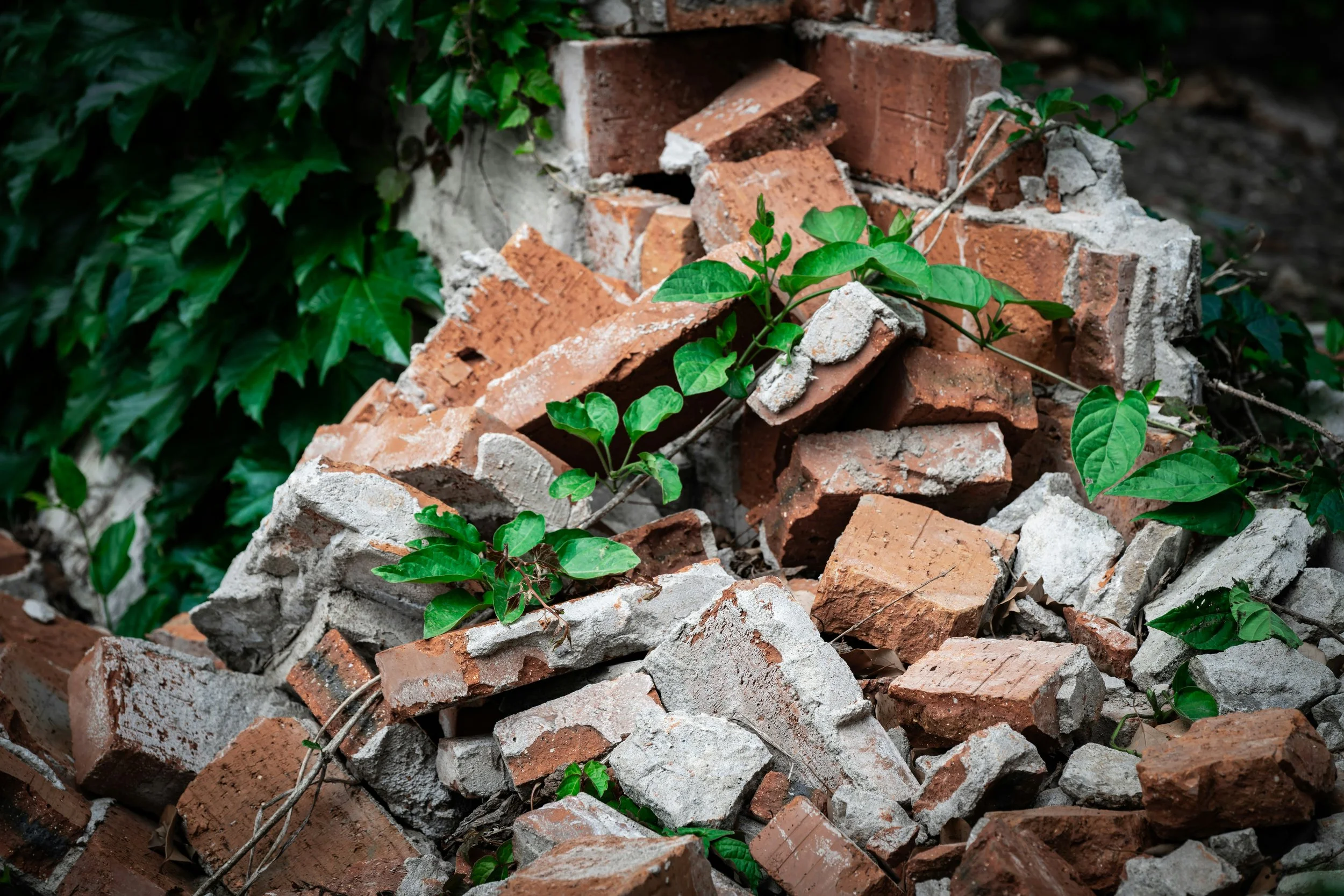
Photo by Declan Sun on Unsplash
I live in Paducah, Kentucky, a smallish to midsized town on the confluence of the Ohio and Tennessee Rivers. The town has been here for quite a long time, since the 1830s, which means we have the prettiest historic brick buildings. These buildings have stood guard through the Civil War, through the Great Flood of 1937, countless ice storms, and whatever else almost 200 years of history can throw at a town.
A few months ago, when I was driving home from my office in our quaint downtown, I noticed that construction crews had blocked off the right lane of the road. There was a temporary fence around one of the historic brick buildings. On the town’s Facebook page, there was much speculation for weeks what was happening with that building:
“Oh, it’s going to be converted into another distillery,” one commenter suggested.
“I don’t think a distillery, it’s going to be another brewery.”
“It’s just an old building under new ownership, they have it blocked off to do renovations.”
“That would be a great place to create some downtown condos! We need more affordable housing, for sure!”
“No, it’s going to be a Dollar General.”
I drove past that fence and construction equipment staged there for months. Nothing happened with that building until one day on my way home, that massive historic brick building with beautiful arched windows and character for days was a pile of rubble. While I was in my office responding to emails, something that once was a hospital in the 19th century, later turned into a school, still later turned into offices, was gone.
The next day, the pile of bricks was gone, the ground was leveled out, and grass seed had already been planted. Today, the grass is almost long enough to mow and there is no indication that there had ever been an entire building in that spot. From that new lot, I can see Paducah’s famous Flood Wall covered in murals from various artists, depicting the history of the town. I can see the expansive sky and the swallows and starlings zooming overhead. There is so much life and evidence of creativity in the space left behind when they tore down the building. The large green space now has the potential to become a park, or a field for kids to play soccer, or a sculpture garden, or a home for a new family, or space for birds to fly, or…
This Advent, can we think differently when “forever” ends?
In Luke 21, Jesus foretells the destruction of another building, the temple–this massive, beautiful, powerful building that was adorned with beautiful stones–an offering and witness to the beauty and the power of God. The community had come together and worked to build this structure. It took 80 years to build it, which at that time would have meant generations were born and died before it was completed. The presence of this temple would have loomed in this community, providing jobs for generations. Then after it was constructed, the temple became a cultural center for Jerusalem.
When Herod the Great renovated and refurbished it, he hired the most talented artisans in the region to provide the adornments. They sculpted imported marble. Gorgeous blue and purple tapestries from Babylon were added. Gold and silver accents were everywhere. This was an impressive, expensive sight to behold.
At its best, this temple was a symbol of the continual presence and holiness of God.
At its worst, this temple was a symbol of the oppression of imperialism and Herod’s rule.
This temple was a symbol of power and greatness. It seemed indestructible.
God’s people knew this temple to be large and indestructible. Its presence was a constant in their lives. They knew it was impossible for this temple to be destroyed. They had assumed it would always be with them. They assumed power and greatness would always be present. They knew there was nothing they could do to get out from under the oppressive rule of Herod and all his cronies.
The people of God built the temple knowing it would last forever.
The people of Paducah built with brick and mortar, to last for generations.
What in our life did we know would last forever--until it didn't?
Advent is a time when we are asked to strip down massive structures in our lives to make space for something new: the Christ Child who will tear down oppressive systems to create space for love and liberation.
The first congregation I served felt like they had been like the building in downtown Paducah. They were large, they provided space for spiritual healing, they adapted over the years, just like that building did. But when they voted to stay in the ELCA after the 2009 vote to allow pastors to marry people of the same gender, half of the congregation left. As the church’s welcome continued, still others left. But this little church chose to stay together even after it felt like they were totally destroyed.
The little Episcopal church I’m serving at extremely part-time now is going through a similar thing. And yet, both of these churches, while small in number, are incredibly active in their communities, fighting for justice, feeding the hungry, providing a safe and welcoming place for the marginalized, caring for children, and opening their doors for those fighting addiction. Their memberships might be low, but their ministry impact is high.
This Advent, can we think differently when “forever” ends?
All of us face times when a crucial structure, something we can’t live without, something that has always been there, turns to rubble. We instinctively try to protect the ashes left behind, to preserve our memories and idolize our nostalgia. But biblical examples of institutional change and grief point us in a different direction.
What happens if we let the walls fall?
What happens if we leave the rubble be?
What if, instead of fighting off the pain of change, we allow ourselves to grieve?
Then, once the bricks of old are carted away–what begins to grow?
What gifts emerge in the open space?
What do you notice that couldn’t be seen before?
This Advent, how is God inviting you to creativity, resilience, and transformation, not for worship of the past, but for the hope of our future?