Trusting in the Way
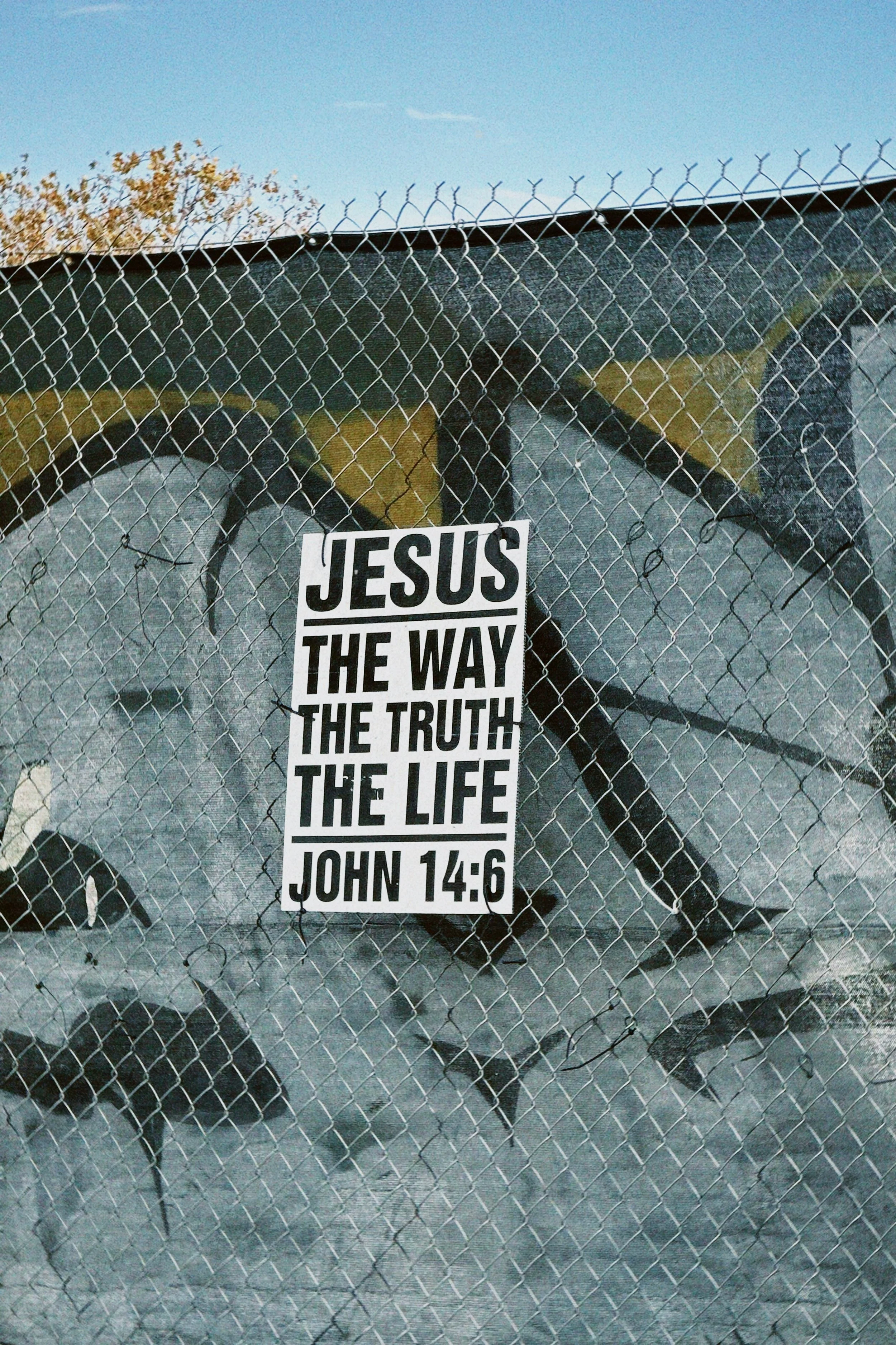
Photo by Christopher Stites on Unsplash
Do not let your hearts be troubled.
Trust in God, trust in me.
John 14:1
If you have ever been to a funeral, there is a strong likelihood that you heard part of John 14 included in the readings for the day.
So many people choose John 14 that it has almost become a part of the funeral liturgy for me.
It’s well loved and often chosen for funeral and memorial services not because it says the perfect thing but because it’s just a pure promise wrapped in a blanket of comfort.
But all that can get lost when we move too quickly to the middle of John 14 and get stuck on the
“I am the way and the truth and the life” which can make it about exclusion and salvation and whether or not someone is “saved” or not.
Ooof. What a bummer to take such a gorgeous and inclusive and expansive promise and make it literally none of those things.
Jesus, speaking to his disciples, tells them not to let their hearts be troubled.
In my opinion, that translation — troubled — isn’t quite strong enough.
The definition of the Greek word that we translate as “troubled” is actually “to stir up fear or dread.”
Do not stir up fear or dread in your heart.
Why is Jesus even saying this?
Are the disciples worried about salvation? Are they worried about being “in” or “out?”
NO. Of course not.
Jesus knows that he isn’t going to be with the disciples much longer.
And if you’ve ever spent any time with someone near the end of their life – there are moments where people do this same thing with the people they love.
“It’s going to be ok.”
“I love you.”
“I’ll be ok.”
“You’ll be ok.”
This is essentially what Jesus is doing here.
He is leaving his disciples with words of comfort and promise in the midst of their very real and very honest fear about how they will do this life without Jesus with them in it in the way they are used to.
The part people get stuck on? "I am the way and the truth and the life"?
Those words are not exclusive, but inclusive.
"I am making a way. I will point you to the truth. I will give you new life."
This is what Jesus is about to do, and the disciples don't quite get it yet.
Jesus says he is leaving, and they’re like: Where?
And he says, don’t worry because where I’ll be you’ll be also.
And they say, but where will you be – exactly? And can you show us how to get there?
And Jesus says, I’m the way.
You have me.
You already know everything you need to know because you know me.
This is the heart of John 14.
Jesus tells his disciples, don’t worry, I’ve got you.
And his disciples say ok, but also I’M SO WORRIED (relatable).
And Jesus says, again, if you know me – and you do – you know God.
“If you know me” isn’t a threat, but a promise.
Maybe a helpful reframe would be a simple grammar change: because you know me, you know God. This was never meant to be conditional.
It’s just pure promise.
Trust in God, trust in me.
You’re going to be ok.
In John 14, the promise comes first.
And it matters way more than anything else that follows.
The promise is first.
The rest is just details.